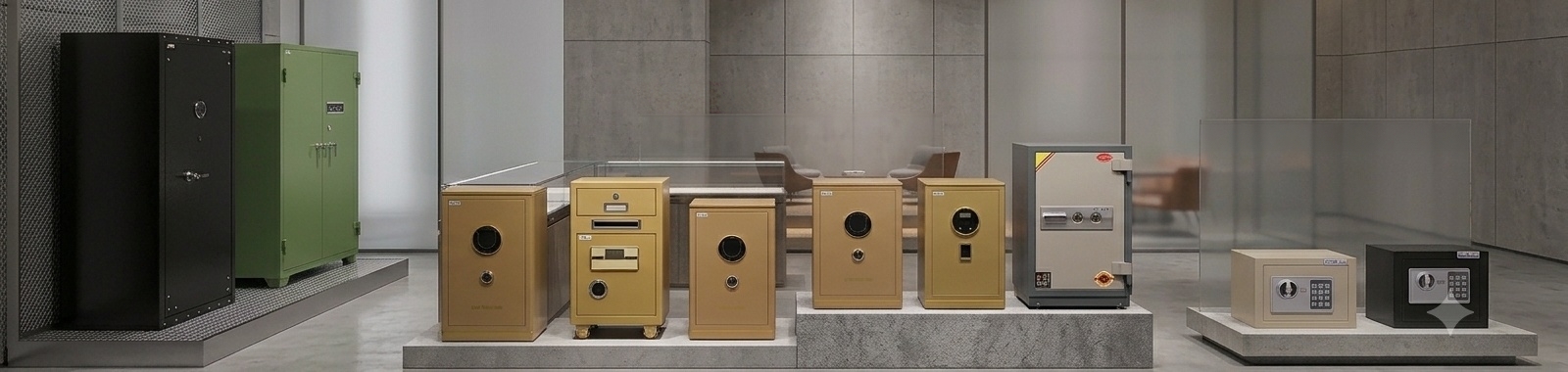
For major security brands, Amazon/Shopify private label sellers, and regional locksmith distributors, off-the-shelf catalog products are rarely sufficient to build long-term market equity. Launching a unique, branded safe product line requires a reliable OEM (Original Equipment Manufacturer) or ODM (Original Design Manufacturer) partner. This comprehensive guide outlines the end-to-end OEM/ODM safe manufacturing workflow—from CAD blueprinting and sample prototyping to automated production, quality control, and international container shipment.
1. Defining the Difference: OEM vs. ODM Safe Manufacturing
- Understanding which manufacturing model fits your business strategy is the first step in sourcing.
- OEM Safe Manufacturing: The importer provides complete engineering drawings, structural dimensions, steel thickness specifications, and lock component requirements. The factory acts as the precise manufacturing base executing the exact build.
- ODM Safe Manufacturing: The client brings a market idea or functional concept (e.g., "a modern drawer-friendly biometric hotel safe"). The factory's internal R&D team designs the CAD blueprints, engineers the locking circuits, builds 3D prototypes, and mass-produces the final unit.
2. Step-by-Step OEM/ODM Manufacturing Workflow
A transparent manufacturing partner follows a structured engineering procedure to ensure zero errors in mass production.
[ Step 1: CAD Blueprinting & Specification Confirmation ]
│
▼
[ Step 2: Rapid Prototyping & Physical Testing ]
│
▼
[ Step 3: Precision Laser Cutting & CNC Bending ]
│
▼
[ Step 4: Automated Welding & Powder Coating ]
│
▼
[ Step 5: Lock Assembly & 100% Quality Inspection ]
│
▼
[ Step 6: Reinforced Packaging & Container Loading ]
- Step 1: CAD Blueprinting & Specification Confirmation: Engineers finalize steel plate gauges (body and door), lock mounting points, internal shelf configurations, and custom silk-screened or laser-engraved logos.
- Step 2: Rapid Prototyping & Physical Testing: The factory produces a functional sample unit within 3 to 7 days for physical inspection, door fit evaluation, and lock testing.
- Step 3: Precision Laser Cutting & CNC Bending: Automated laser machines cut heavy cold-rolled steel sheets with millimeter accuracy, followed by CNC press-brake bending for rigid structural alignment.
- Step 4: Robotic Welding & Eco-Friendly Powder Coating: Structural seams are welded using automated systems to prevent weak joints. The steel body then undergoes non-solvent electrostatic powder coating for a durable finish.
- Step 5: Lock Assembly & 100% QC Inspection: Electronic PIN keypads, biometric sensors, or dual-key locks are installed. Every unit undergoes multi-point operational testing before leaving the line.
- Step 6: Reinforced Packaging & Sea-Freight Loading: Safes are encased in protective corner caps, wrapped in heavy film, and packed into export-grade corrugated boxes suited for container shipping.
3. Key Technical Criteria for Evaluating an OEM Safe Factory
When auditing potential safe manufacturers in China, wholesale buyers should evaluate several critical factory metrics.
- Facility Scale & Capacity: Look for established primary manufacturers operating dedicated production facilities (e.g., total production area over 100,000 m²) with a stable annual output (e.g., 500+ standard containers).
- In-House R&D Capability: A strong factory employs dedicated mechanical engineers and electronic developers who can update locking firmware and structural designs rapidly.
- Environmental & Quality Certifications: Ensure the facility operates under ISO9001 and ISO14001 guidelines, and provides CE certifications for electronic smart lock components.
- Scalable MOQ Terms: Flexible manufacturers support low MOQs for custom logo printing, allowing online retailers and regional distributors to launch custom product lines cleanly.
4. Protecting Intellectual Property and Proprietary Designs
Custom product design requires clear protection agreements to safeguard market distribution rights.
- Non-Disclosure Agreements (NDAs): Professional factories routinely sign formal NDAs prior to reviewing proprietary CAD drawings or structural concepts.
- Exclusive Tooling Agreements: Importers funding custom stamping dies or lock molds can establish exclusive regional supply agreements, ensuring the factory does not supply the identical design to competing distributors.
5. Overcoming Supply Chain Disruptions with North China Sourcing
Location plays a crucial role in safe manufacturing efficiency and raw material pricing.
[ Raw Cold-Rolled Steel Sourcing ]
│
▼
[ 4 Production Zones (110,000 m²) ]
│
▼
[ 500+ Containers Annual Output ]
│
▼
[ On-Time Sea-Freight Delivery ]
Sourcing from major northern Chinese manufacturing hubs provides direct access to high-grade cold-rolled steel suppliers, reducing material procurement costs. Combined with vast factory floor space and a dedicated skilled workforce, these facilities deliver stable lead times even during global supply chain bottlenecks.
Conclusion & OEM/ODM Quotation
Building a successful private-label safe brand requires a capable, transparent, and scalable manufacturing partner. From custom structural engineering to final drop-tested packaging, direct factory collaboration delivers higher profit margins and total control over product quality. Operating 4 factory zones covering 110,000 m² with over 30 years of manufacturing experience, we offer global importers turnkey OEM and ODM services for home safes, document cabinets, fireproof safes, and gun safes. Contact our engineering and export team today to submit your design ideas or request a quick OEM prototype quote.

 English
 Português
 العربية