Introduction
For private-label entrepreneurs, Amazon top-sellers, Wayfair merchants, and independent security brands across the Americas, the path to building long-term brand equity often hits a rigid barrier: restrictive factory order minimums. Sourcing generic, unbranded security boxes from trading intermediaries inevitably pulls sellers into margin-eroding price wars. Conversely, traditional OEM manufacturing contracts typically demand hundreds of units per SKU, locking up operational working capital and exposing emerging brands to severe inventory holding liabilities.
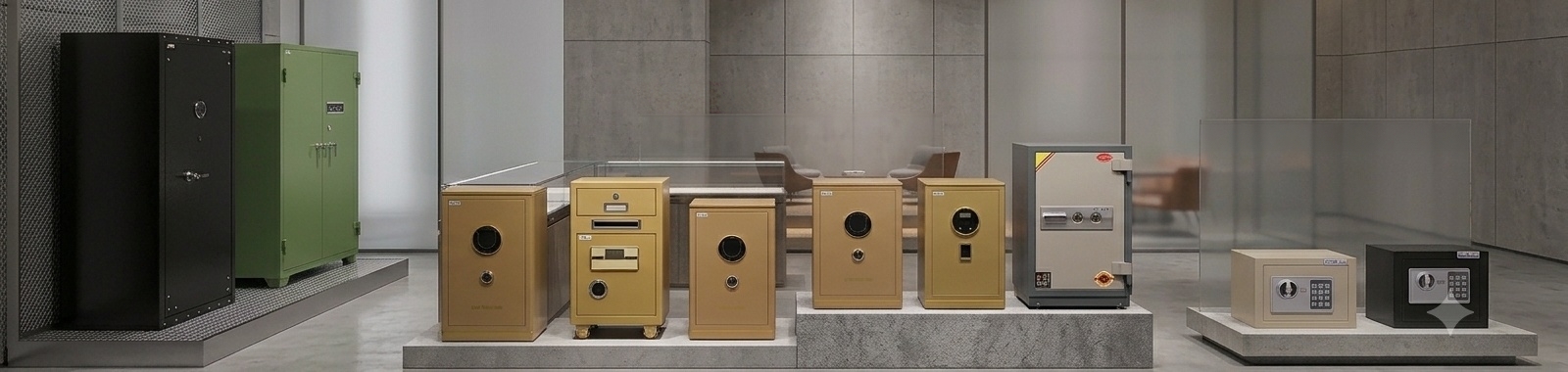
Bridging this divide requires an agile, vertically integrated manufacturing partner capable of offering tiered, low-MOQ (Minimum Order Quantity) engineering. By combining modular chassis designs with precision laser marking, customized UI electronics, and bespoke drop-tested e-commerce packaging, modern factories allow digital and regional retailers to establish proprietary product lines with low operational risk. Explore our comprehensive flexible OEM/ODM safes customization services to discover how agile production can accelerate your brand's time to market.
1. The E-Commerce Conundrum: Capital Efficiency vs. Brand Differentiation
Digital storefronts on marketplaces such as Amazon, Wayfair, and Mercado Libre operate on ruthless algorithmic metrics: inventory turnover velocity, organic review ratings, and return rates.
The Margin Trap of Standard Commodity Safes: Re-selling unbranded stock models leaves sellers vulnerable to algorithmic price matching and competing sellers hijacking the same product listing.
High Working Capital Risks: Traditional manufacturing lines often impose minimum runs of 200 to 500 units per variant, tying up critical cash reserves in slow-moving container freight and warehouse storage fees.
Listing Hijacking & Review Vulnerability: Without registered brand badges, unique silk-screened bezels, or distinct packaging aesthetics, sellers cannot effectively leverage Amazon Brand Registry protections.
The Agile Sourcing Solution: Modern flexible manufacturing bridges this gap by enabling trial runs of 10 to 20 units for baseline configurations, or 50 to 100 units for fully branded, private-label releases.
2. Low-MOQ Brand Customization: From Hardware to Firmware
Private-label safe manufacturing involves more than simply printing a brand logo on the carton box. Modern OEM facilities deploy targeted visual and functional adjustments across several production stages.
Exterior Metal Branding: Direct factory fiber-laser engravers apply razor-sharp brand insignias and high-precision metal alloy emblems directly onto the cold-rolled steel door plate without costly tooling lead times.
Electrostatic Powder Finishing: Importers can choose from sleek matte black, pristine white, gunmetal grey, or custom brand-aligned RAL color schemes.
Custom Velvet & Leather Interiors: Upscale residential safes can be customized with branded interior velvet linings, contrasting stitched leather mats, and dedicated jewelry or watch-winder layout trays.
3. Sea-Freight Drop-Tested Packaging: Protecting Amazon Fulfillment Ratings
In e-commerce logistics, a private-label safe is judged the second the end-user opens the box. Heavy steel cabinets subject packaging materials to extreme stress during sea-freight transfers and rough courier fulfillment handling.
The High Cost of Shipping Dents: Minor corner dings, dented door edges, or broken circuit traces result in immediate 1-star negative reviews, expensive return freight fees, and listing deactivations.
ISTA-Compliant Packaging Architecture: Tier-1 export manufacturers utilize full-coverage high-density expandable polyethylene (EPE) foam corner buffers and molded edge caps that suspend the safe within the carton.
Reinforced Honeycomb Cartons: The outer packaging employs 5-layer to 7-layer heavy-duty corrugated cartons or rigid honeycomb cardboard engineered to withstand drops from standard tailgate heights.
Retail-Ready Private Label Graphics: Importers can choose between discreet plain kraft shipping cartons compliant with courier shipping rules or vibrant, four-color branded retail gift cartons designed for brick-and-mortar display.
4. Technical Architecture: Physical Defense Integrated into Modular Form Factors
A visually appealing brand presence must be underpinned by mechanical reliability. Direct safe factories implement standardized internal structural engineering across their customizable chassis sizes.
Micro-Seam Laser Profiling: Tight clearances around the door perimeter prevent the insertion of pry bars, screwdrivers, and mechanical intrusion levers.
Heavy Cold-Rolled Carbon Steel: Doors are crafted from heavy-gauge solid steel plating backed by multi-point live-locking solid deadbolts that anchor firmly into structural frame pockets.
Concealed Anti-Drill Hardplates: Hardened steel plates are placed around vital lock mechanisms to shield solenoids, motorized linkages, and PCB boards against cordless drill attacks.
Internal Anti-Tamper Assemblies: Concealed interior hinges and pre-drilled rear/floor mounting holes allow end-users to secure the unit directly into studs or concrete foundations using included heavy-duty expansion hardware.
5. Supply Chain Agility: Rapid Prototyping and Fast Container Loading
Speed to market dictates profitability in modern omnichannel retail. Working through intermediaries frequently introduces communication bottlenecks, design revisions that take weeks, and unpredictable factory scheduling.
Rapid CAD Prototyping: Direct factory R&D engineers produce complete structural drawings within 24 to 48 hours and dispatch functional custom sample units within 3 to 7 business days.
Scalable Mass Production: Standard production cycles for tailored 50 to 100-unit orders average 25 to 35 days, enabling sellers to align production runs with peak retail seasons.
Spare Parts Redundancy: To safeguard brand ratings and mitigate customer service friction, direct factories supply bulk orders with complimentary backup electronics, including 1% to 2% spare PCB boards, keypad modules, and emergency override keys.
Summary & Private-Label Partnership
Scaling a private-label security brand across Amazon, Wayfair, or regional wholesale channels requires moving past unbranded generic stock without incurring overwhelming inventory liabilities. By partnering with an agile OEM manufacturer that supports low MOQs, comprehensive branding customization, and transit-tested packaging, distributors can build defensible, high-margin product lines.
As an established, vertically integrated safe manufacturer with decades of global export heritage, we empower private-label sellers and commercial distributors worldwide. Our facility manufactures a full portfolio of certified home safes, commercial steel cabinets, fireproof safes, and tactical gun safes. We provide flexible low MOQs starting at 5 to 20 units for baseline configurations and 50 units for tailored OEM orders, backed by competitive factory-direct pricing, fast prototyping, and ISTA-compliant packaging.
Contact our private-label engineering and export team today to submit your branding requirements, request sample units, and receive direct factory OEM quotes.

 English
 Português
 العربية