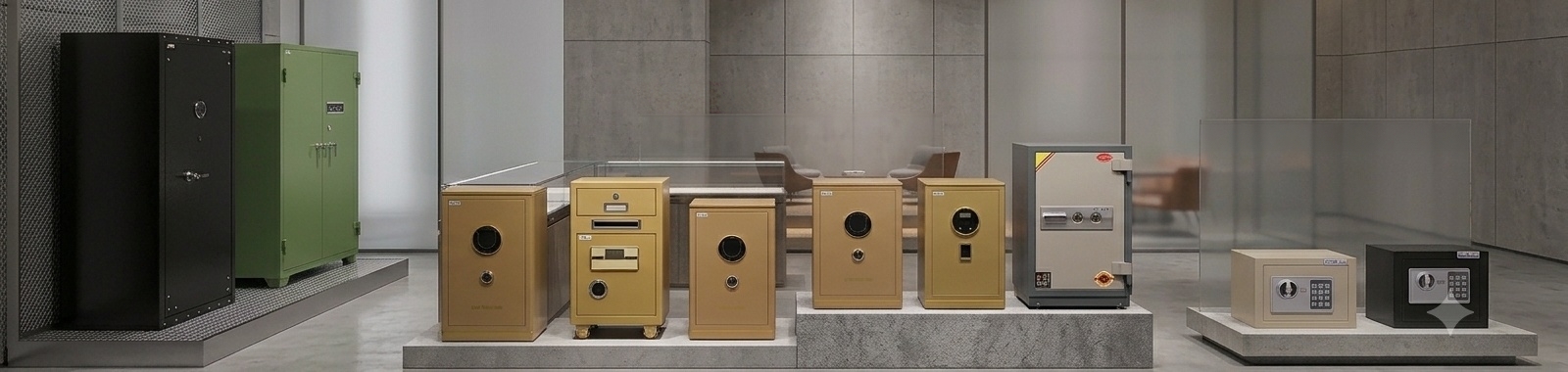
Importing heavy steel security products directly from overseas manufacturing plants offers compelling margin advantages, typically cutting procurement costs by 20% to 30% compared to buying through domestic distributor chains. However, international safe procurement carries structural, physical, and logistical risks. Safes are heavy, damage-vulnerable, and subject to strict compliance oversight.
Failing to verify structural specifications, packaging standards, and locking hardware before issuing purchase orders leads to damaged shipments, elevated return rates, and compromised brand value. Below, our engineering and quality assurance teams analyze seven common sourcing mistakes and outline practical steps to safeguard your investments.
1. Falling for Deceptive Steel Gauge and Thickness Nomenclature
The most common mistake in safe procurement is accepting vague steel descriptions like "heavy-gauge," "solid steel," or arbitrary gauge numbers without specifying precise core decimal millimeter dimensions.
Unscrupulous suppliers often use "total thickness" figures that include decorative plastic facings, thick cardboard wraps, or heavy layers of paint. A quoted "5 mm door" may turn out to be a 1.2 mm stamped sheet backed by hollow plastic molding.
- The Countermeasure: Frame purchase orders strictly around core cold-rolled steel plate thickness (e.g., "Solid 4.0 mm Q235B cold-rolled steel plate, excluding paint and composite backers"). Require factory inspection sheets that document micrometer measurements of raw steel plates before powder coating is applied.
2. Skipping Drop-Tested Packaging Protocols
Safes possess high weight density. During rough ocean transit and automated warehouse sortation (such as Amazon FBA or UPS freight lines), a 25 kg safe dropped onto a concrete edge exerts severe impact energy. Cheap, unreinforced cartons result in crumpled corners, chipped powder finishes, and shattered internal solenoid housings.
The Countermeasure: Require your manufacturer to produce formal ISTA 1A or ISTA 3A certified packaging reports. Quality export packaging requires:
- 5-ply or 7-ply double-wall corrugated outer cartons.
- High-density expanded polyethylene (EPE) or honeycomb molded corner buffers (avoiding brittle EPS styrofoam).
- Heavy-duty polypropylene banding straps wrapped in both directions to prevent box failure during handling.
3. Overlooking Door-to-Frame Clearance Tolerances
Thick steel provides minimal real-world defense if the clearance gap between the safe door and its perimeter frame is wide. Mechanical stamping shears leave gaps between 2.0 mm and 3.5 mm, creating easy entry points for crowbars and wedge spreaders.
- The Countermeasure: Require fiber laser micro-gap fabrication. CNC fiber laser cutting creates the door directly out of the front wall plate in a single continuous path, maintaining door seam gaps under 0.5 mm. This sub-millimeter clearance blocks standard pry tools from gaining physical leverage.
4. Sourcing Through Intermediary Trading Entities Disguised as Plants
Many overseas export brokers pose as direct manufacturers, presenting rented showrooms and stock photos while outsourcing production to small, unverified workshops. This adds an unnecessary 20% to 30% margin layer, creates technical communication bottlenecks, and leads to inconsistent batch quality.
- The Countermeasure: Audit factory infrastructure. Require an unedited video walk-through of the manufacturing floor showing active CNC laser tables, robotic welding cells, and automated powder-coating lines. Verify that the business license and factory ISO 9001 / ISO 14001 certificates match the manufacturing entity directly.
5. Inefficient Container Cubing Strategy (Paying to "Ship Air")
Safes quickly reach container gross road weight limits before internal volume is fully utilized. Importers who buy only single SKUs of heavy, medium-sized safes end up paying ocean freight on empty container volume.
The Countermeasure: Implement an integrated container loading plan:
- Layer heavy, compact electronic safes along the container floor to establish a stable base.
- Top-load with knock-down (KD) flat-packed security lockers or tactical firearm cabinets.
- Utilize dimensional nesting: pack small home or hotel units securely inside larger commercial vaults to maximize container payload and lower landed costs.
6. Specifying Inexpensive Tubular Wafer Override Locks
To reduce assembly costs, unverified workshops often pair digital or biometric locks with cheap tubular or simple wafer-cam key locks. These low-cost keyways can often be bypassed in seconds using readily available tubular pick tools or impression keys, invalidating the safes security entirely.
- The Countermeasure: Mandate high-security mechanical bypass cylinders. Specify double-bitted wavy-track key cylinders, radial disc-detainer systems, or dimple key profiles that resist standard picking and manipulation techniques.
Partner directly with a proven industrial manufacturing facility to protect your supply chain. Contact our export engineering team to evaluate our certifications, review quality control processes, and secure direct-factory wholesale pricing.

 English
 Português
 العربية